
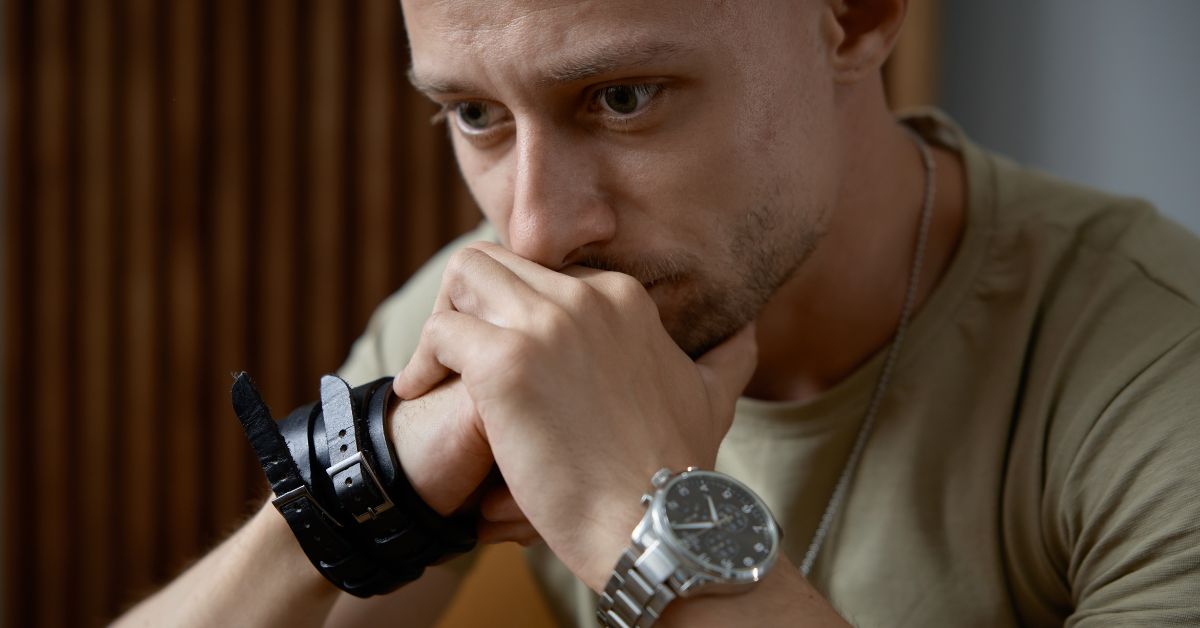
Anger is a natural response to many of our frustrations, but when it stems from unresolved past trauma, it can become deeply rooted and difficult to manage. Often, we don’t recognize the link between our past and the anger we experience now. In many cases, we don’t realize that our disproportionate emotional response is linked to something much deeper. But understanding this connection is crucial for healing and moving forward.

Whether caused by the experiences of crime, abuse, racism or bullying, unaddressed emotional pain can significantly impact how we react to situations in the present because our brains hold onto those negative emotions as a defense mechanism. They are stored, lying dormant, waiting for a trigger.
For example, if you were bullied as a child, you may have developed heightened sensitivities to situations involving criticism or confrontation, so even a seemingly insignificant comment in adulthood can unleash anger because it taps into unresolved feelings of hurt and vulnerability.
It’s important to understand that this kind of anger isn’t just about minor frustrations; trauma-induced anger is more intense, immediate, and harder to control.

Now, we know that anger is a very valid emotion but can become harmful when left unexpressed or improperly managed. Suppressing anger doesn’t make it disappear – it builds pressure inside that can manifest in many unhealthy ways, from physical symptoms to emotional instability and mental health struggles; but it can also trap us in negative cycles, leading to self-sabotage and feelings of helplessness. If we don’t address it, we risk causing harm to both ourselves and those around us.
Recognising how our anger manifests is the first step in addressing its root cause. Only by confronting these underlying issues can we begin to heal.

Usually, overcoming anger linked to past trauma takes time and professional guidance for us to even realize where our anger stems from, but there are various strategies that can help you manage your emotions more effectively:
- Acknowledge your anger. Understand that your anger is valid, but it doesn’t have to control you.
- Talk to someone. Sharing your thoughts can provide a fresh perspective and help you release some of the emotional burden you’re carrying.
- Develop healthy outlets. Find things that you enjoy doing that provide ways to release pent-up anger in a safe and constructive way.
- Reframe your thoughts. Change the way you think about past trauma, transforming it from something that controls you to a learning experience that makes you stronger.

At Quandary Pond, we can help you work through unresolved emotional pain, offering a safe space to discuss past experiences and their impact on your behaviour. Through personal life coaching and anger release coaching, we can assist you identify your trauma and emotional triggers and create an action plan for healthier responses.
Life coaching isn’t just about achieving external goals; it’s about understanding yourself, healing emotional wounds, and finding peace within. Working together, we can help you turn your trauma into personal growth, empowering you to navigate life with clarity and resilience.
