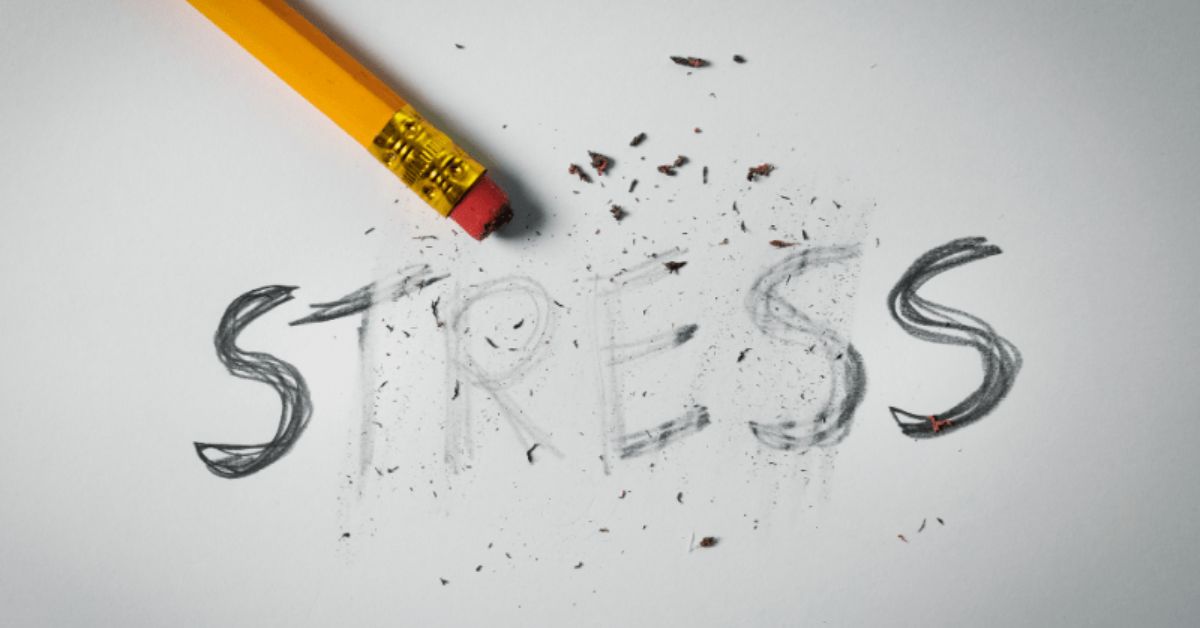
Stress is a hormonal response to perceived threats or challenges in our lives. These hormones – such as cortisol and adrenaline – can trigger a cascade of physiological changes, and whilst the ‘fight or flight’ response is essential for survival, prolonged or chronic stress can have detrimental effects on our physical and mental wellbeing.
Easy to overlook, putting it down to things like lack of sleep, caffeine withdrawal, too much screen time or moving house; the physical symptoms of stress can be telltale signs of underlying turmoil within. And chronic stress can disrupt the body’s natural balance and contribute to a wide range of physical problems, including cardiovascular disease, immune dysfunction, anxiety, depression, and burnout.

Let’s have a look at some of the physical symptoms that may manifest as a result of stress:
- Headaches
As tension builds up in response to stress, it can often manifest as headaches, ranging from mild discomfort to debilitating migraines. One case of slight pain may not be cause for concern, but ongoing and/or worsening pain is something you should consider looking into.
- Muscle Tension
Stress can cause muscles to tense up, leading to stiffness, soreness, or even chronic pain in various parts of the body, such as the neck, shoulders, and back. You might have slept at an awkward angle, but prolonged muscle tension can exacerbate existing conditions or lead to new ones if left unchecked.
- Fatigue
Chronic stress can drain your energy reserves, leaving you feeling constantly tired and depleted. Even with sufficient rest, the mental and emotional toll of stress can make it challenging to feel re-energized.
- Insomnia
On the other hand, stress can disrupt the delicate balance of hormones and neurotransmitters involved in sleep regulation, making it difficult to fall asleep or stay asleep. This poor sleep quality further exacerbating stress and fatigue during waking hours.
- Stomach Problems
The gut-brain connection means that stress can wreak havoc on your digestive system, leading to symptoms like nausea, diarrhoea, or constipation. These gastrointestinal issues can further exacerbate stress, creating a vicious cycle of discomfort and distress.
- Chest Pain
Stress can trigger physiological responses like increased heart rate and constricted blood vessels, leading to chest pain or palpitations. While these symptoms may mimic those of a panic or heart attack, they are often a manifestation of stress-induced tension and anxiety.

It’s absolutely essential to recognise the sources of stress in your life and develop healthy coping mechanisms to manage them effectively. By acknowledging the body’s signals and taking proactive steps to address stress, you can lessen its detrimental effects and foster a healthier, more balanced life.
At Quandary Pond, we understand the complexities of stress and its profound impact on our physical and mental health. That’s why we work with our clients to empower them to navigate life’s challenges, ensuring a path towards lasting well-being. So, if stress has begun to take its toll, don’t hesitate to reach out—we’re here to guide you on your journey towards a happier, healthier you.